Your PEEK Into The Day: 5 Stories That Deserve The Front Page

Peek TV | September 16, 2026
The QR Now Has A Price, And ‘Free’ Payments A Cost
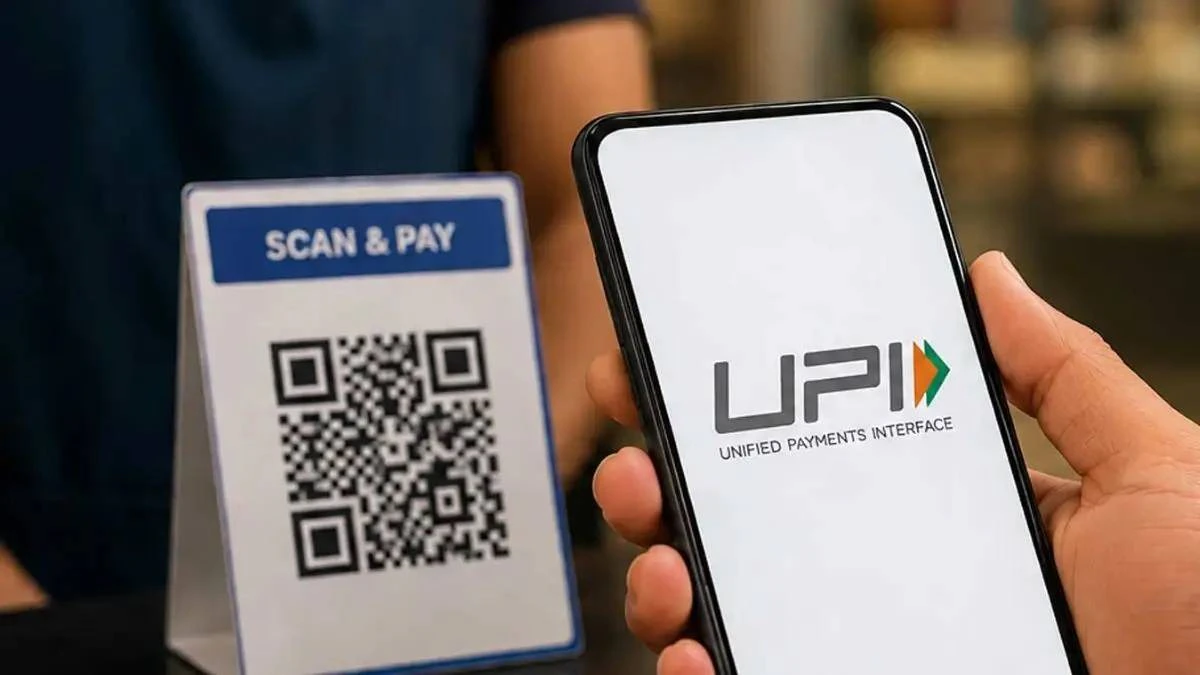
The Fact: The Centre has now officially notified a 0.4% Merchant Discount Rate (MDR) on Person-to-Merchant (P2M) UPI transactions above ₹2,000, effective October 15, 2026. The MDR will be capped at ₹300 for transactions of ₹75,000 and above, while certain essential sectors such as railways, telecom, insurance, and fuel will have a flat ₹5 MDR. Person-to-person transactions will continue to remain free. Importantly, the charge is levied on merchants and not directly on consumers. The NPCI (National Payments Corporation of India) says that through this fee, a new fund will be created to support the expansion of UPI among small merchants.
The Context: The change goes back to the Taxation and Other Laws (Amendment) Bill, 2026, passed by Parliament during the Monsoon Session in August. The amendment essentially opened the door for payment service providers and banks to charge a fee for electronic payments, including UPI. The earlier framework was part of the government’s larger push to make digital payments genuinely zero cost, helping “UPI is free” become one of the strongest selling points of India’s digital payment story. RBI Governor Sanjay Malhotra had repeatedly warned that while there were currently no charges, the system still had costs and “someone” has to pay for a payment network to remain sustainable.
The Peek Insight: In 2025-26, transactions above ₹2,000 made up only around 4% of person-to-merchant UPI payments by volume, but accounted for nearly two-thirds of the total amount of UPI transactions. While the government says that merchants cannot transfer the fee to consumers, the fear is that this fee will be hidden in the prices consumers pay. So while the QR code may remain free to scan, the real test will be whether the cost of keeping UPI “free” quietly reaches consumers through another route. At the end, regardless of who pays, what can't be denied is that one of the biggest achievements of 'Digital India' is no longer free, after a decade of being that for all users.