Your PEEK Into The Day: 5 Stories That Deserve The Front Page

Peek TV | October 30, 2026
20 Years, 18 Days, One Historic Revolt: Jamia Students Reclaim Their Democracy
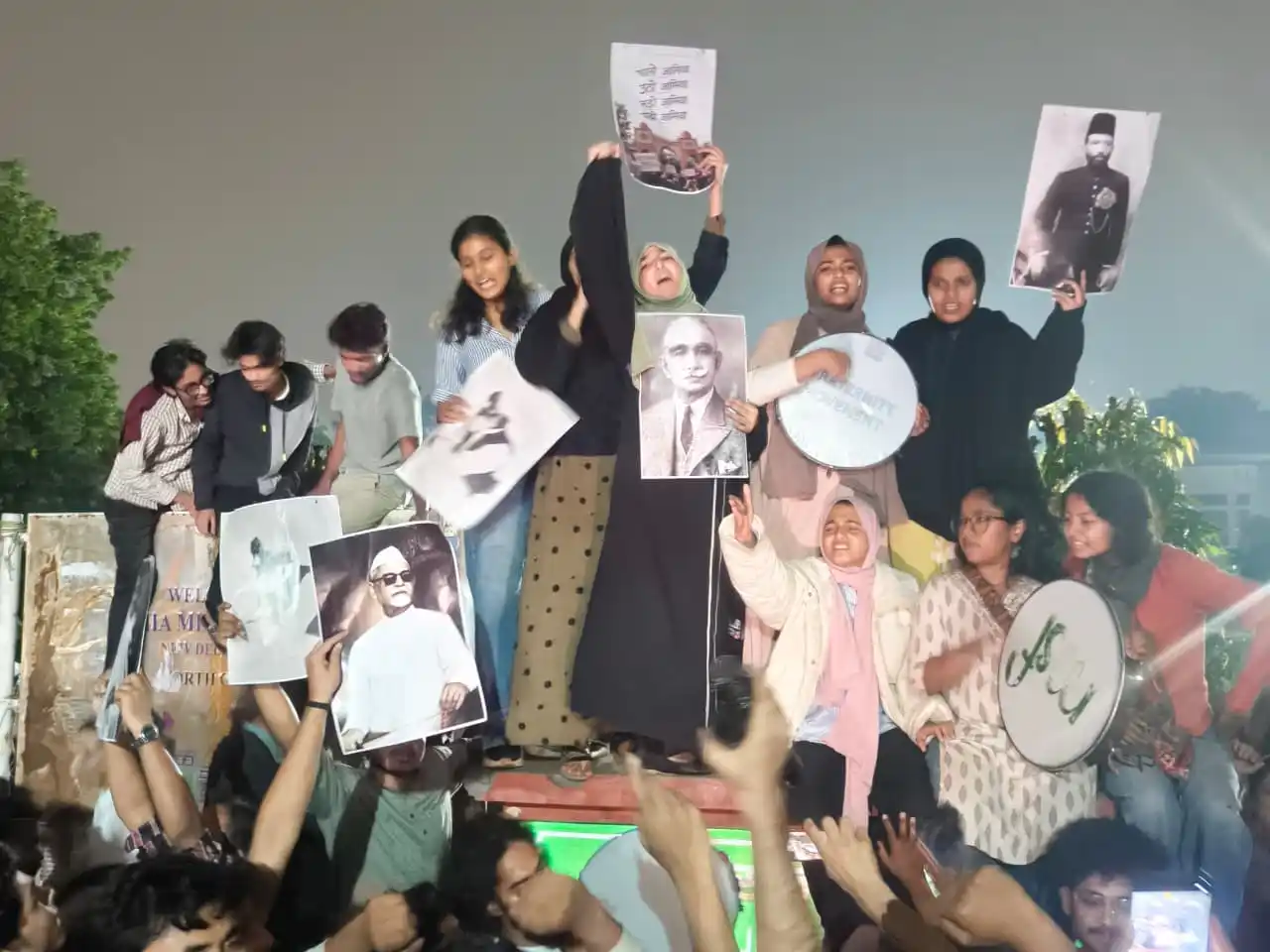
The Fact: In a historic victory for student power, Jamia Millia Islamia has finally committed to restoring its Students’ Union after nearly two decades without elected student representation. Following 18 days of protests and hunger strikes, the university, through an order issued on October 29, fixed May 15, 2027, as the deadline for approving and implementing the union’s constitution. Elections will be held within six weeks of the commencement of the next academic session, expected to begin on July 15, 2027. The administration has also ordered the withdrawal of all protest-related show-cause notices, disciplinary proceedings, suspensions, rustications and campus bans.
The Context: This breakthrough is the culmination of an 18-day hunger strike that began on October 12. Even after an initial breakthrough on October 26, when the administration agreed to conduct elections, students refused to call off their agitation. Their objection was simple: an assurance of elections meant little without a definite deadline for approving the union’s constitution. They refused to budge until the administration committed to a time-bound process. Their persistence eventually paid off on October 29, coinciding with Jamia’s 106th Foundation Day, turning a day of protest into one of celebration.
The Peek Insight: This is considerably bigger than the restoration of a student body. For nearly 20 years, one of India's largest central universities functioned without an elected students’ union, leaving generations of students without an institutional platform to represent their interests, question authority and demand accountability. The restoration of this democratic mechanism is a powerful reminder that student representation is not an administrative concession but an essential part of university life. After two decades of uncertainty, it took 18 days of extraordinary student resistance to secure a commitment that should never have been so difficult to obtain.
Modi’s Turf, Samajwadi’s Triumph: A Sting In The BJP’s Big Council Win
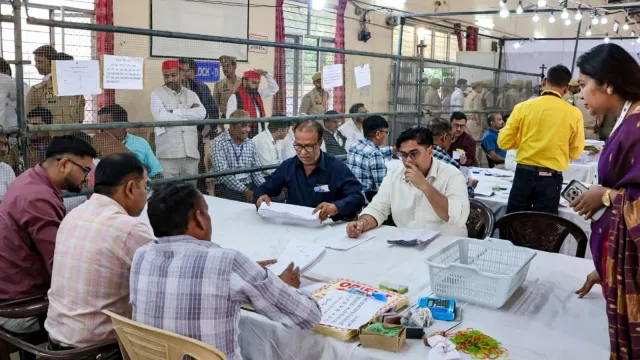
The Fact: BJP emerged as the single largest party in the biennial Legislative Council elections, winning 13 of the 28 contested seats across Uttar Pradesh, Bihar, Karnataka, and Maharashtra. The polling delivered state-wise upsets, with Karnataka's ruling Congress drawing a complete blank on its home turf as the BJP claimed three seats and its ally JD(S) secured one. In Uttar Pradesh, the BJP won six of the eleven seats, while the Samajwadi Party took five, including a high-profile win in the Prime Minister’s parliamentary constituency of Varanasi. In Bihar, the BJP lost its old bastion of the Patna Teachers’ seat to the RJD, while Prashant Kishor’s newly formed Jan Suraaj Party opened its account by clinching the Darbhanga Teachers’ seat. In Maharashtra, the opposition Maha Vikas Aghadi took three of the five seats, leaving the BJP and Shiv Sena with one each. Prime Minister Narendra Modi seized on the Congress’s initial poor showing, posting on X: “Elections held using ballot papers. Guess how many seats Congress won?” The Congress later secured Nagpur’s graduates’ seat.
The Context: The Vidhan Parishad, or Legislative Council, elections fill vacancies in the upper houses of states. These councils review legislation passed by the Legislative Assembly and contribute to debates on state policy. MLC polls involve restricted electorates—registered graduates who obtained their degrees at least three years earlier can vote in graduates’ constituencies, while eligible teachers in secondary schools and higher educational institutions vote in teachers’ constituencies. Other members are elected by MLAs and local authorities, while the Governor nominates a share under constitutional provisions. The 28 seats contested in these polls belonged to graduates’ and teachers’ constituencies. Voting uses paper ballots and the single transferable vote system, which lets voters rank candidates by preference.
The Peek Insight: While MLC results are not fully reflective of the political mood, Uttar Pradesh offers a political warning for the BJP ahead of the 2027 Assembly election. The SP’s victories in Varanasi, Prime Minister Narendra Modi’s parliamentary constituency, give the party a visible opening to challenge the BJP’s political dominance. In Karnataka, the Congress failed to win any of the four MLC seats, while the BJP-JD(S) alliance swept the contest. PM Modi’s post has also brought the EVM debate back into focus. By using a paper-ballot result to mock Congress over its criticism of EVMs, he has drawn fresh attention to the question of how India conducts elections.