
Your PEEK Into The Day: 5 Stories That Deserve The Front Page

Peek TV | September 19, 2026
From Nirbhaya To Now: How Many More Before Safety Means Safety
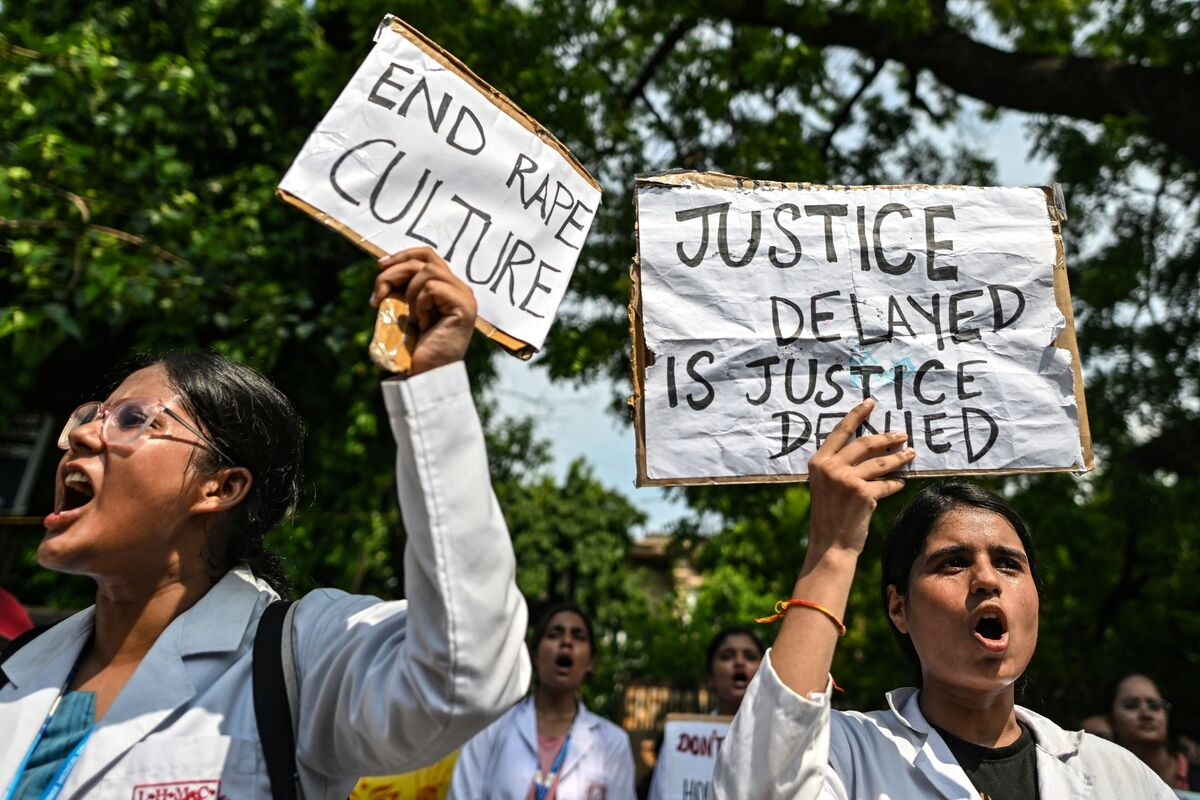
The Fact: A 16-year-old girl was allegedly gang-raped and murdered in Delhi’s Swaroop Nagar. She was allegedly stabbed to death by four teenagers, who then dumped her body in an open field. The horror came to light on September 13, when her body was found in such an advanced state of decomposition that police initially struggled to establish her gender. Parts of the body had been mauled by stray dogs, with one hand found separately. According to the police, the minor girl had gone to meet a 17-year-old boy on September 10. He allegedly called three others, and the group later took her in a tempo to the area where the crime took place. Four accused are in custody, including a 19-year-old man and three minors aged 16-17.
The Context: According to police, one of the accused, a 17-year-old boy, appeared to be the victim’s 'friend' and that she had gone to meet him. The other three accused, police said, were friends of the 17-year-old. They reportedly took the girl to the open field, where she was allegedly sexually assaulted and killed, before her body was dumped. Police traced the accused after examining more than 50 CCTV cameras and tracking the tempo. Two knives and clothes allegedly linked to the crime have also been recovered. The victim was not reported missing by her family, who told the police that she would sometimes leave home and return after a few days.
The Peek Insight: In December 2012, the horrific Nirbhaya gangrape case shook the nation's conscience. In the post-Nirbhaya Delhi, there were loud calls for structural reforms and enhanced women's safety. But have any of those promises translated into safer streets for women? The numbers would say otherwise. The reported rape cases in the National Capital have increased multi-fold. Meanwhile, NCRB data shows that an overwhelming majority - between 86% and 97% - of reported rape cases involved an offender known to the victim. Police say the victim in this case also knew one of the accused. So the question is bigger than a stranger becoming a threat: how do women stay safe when the danger can come from someone they know? The real test of women’s safety is not how efficiently a crime is investigated, but whether the system can prevent it from happening at all. The gap is between Delhi's women’s safety schemes and the reality women face on the ground. Are patrols reaching vulnerable areas at night? Are vehicles and isolated stretches being monitored closely enough? Are the systems designed to prevent sexual violence actually working before it is too late? Three of the four accused are minors, which raises another difficult question: should their age shield them from the full consequences of a heinous crime? More than a decade after Nirbhaya, has Delhi built a system that protects women, or one that only responds after they have been failed?