Your PEEK Into The Day: 5 Stories That Deserve The Front Page

Peek TV | September 22, 2026
A Suicide And A Cover Up?: IIT Bombay Can No Longer Ignore The Caste Question
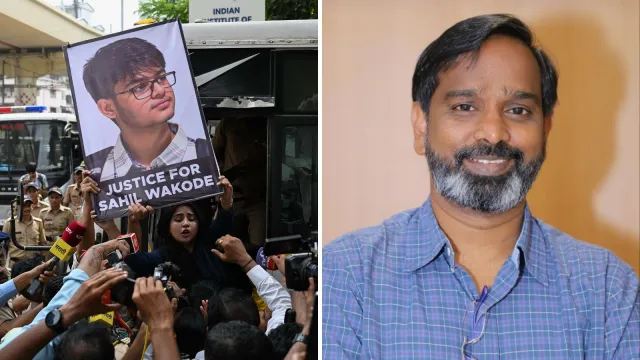
The Fact: IIT Bombay has apologised for its earlier statement, which claimed that Sahil Wakode had used his phone and uploaded the exam paper to ChatGPT, while maintaining that no disciplinary action had been initiated. The institute issued a formal apology, while the deanship of Professor Suryanarayana Doolla was suspended with immediate effect. Meanwhile, Mumbai Police detained students and student organisation members protesting outside the campus.
The Context: Professor Doolla was the invigilator during Sahil’s exam and is named in the FIR based on his family’s allegations of caste-based harassment. IIT Bombay had earlier stated that Sahil was counselled after the exam and assured that the incident would not affect his academic career. The Faculty Forum has now backed Doolla, saying he followed the institute’s approved procedure after observing unauthorised smartphone use during the examination and described reports against him as “false and misleading”. The divide is visible on campus itself: students have demanded his suspension as a professor and an independent investigation, while faculty members have rallied behind him. Mumbai Police have also detained protesters outside the IIT Bombay gate who have demanded the Director’s resignation and Doolla’s arrest.
The Peek Insight: The larger question is why caste continues to shape experiences inside institutions that are supposed to operate on merit alone. At JNU, Vice Chancellor Santishree Dhulipudi Pandit faced backlash after referring to Dalit students as having a “victim mindset”. JNUSU slammed her comments as 'blatantly casteist', demanding her resignation. At IIT Bombay, the case is still under investigation with no established finding that caste harassment led to Sahil’s death. But it is a fact that the student’s family has made caste-based harassment central to its complaint, while faculty members have defended the professor and questioned the narrative around him. This shows how sharply divided campuses remain over caste. The issue is not simply who is right in this case: how should universities respond when allegations of caste discrimination are made? It is about whether universities have independent systems where these complaints can be investigated seriously to ensure that a caste dispute does not become a battle between students, faculty, and the administration.