Your PEEK Into The Day: 5 Stories That Deserve The Front Page

Peek TV | September 25, 2026
Poll Panel On Trial: Election Commission Faces Biggest Credibility Test In Years
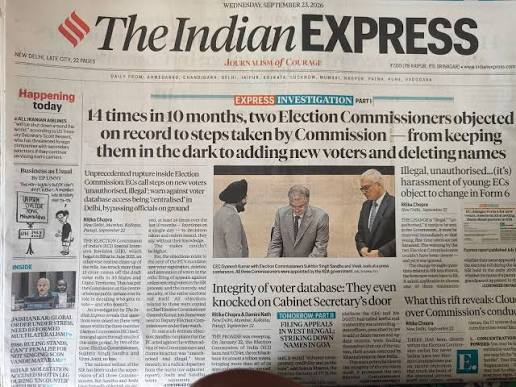
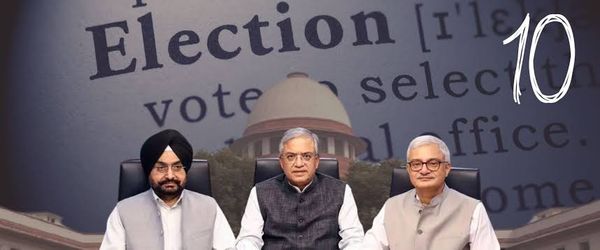
The Fact: The Election Commission is facing its biggest crisis of credibility after The Indian Express reported that Election Commissioners Sukhbir Singh Sandhu and Vivek Joshi had recorded objections at least 14 times over decisions concerning electoral rolls, voter deletions, restoration of names, and database access. The ECI has said that such exchanges are part of internal deliberation and that its final decisions were unanimous. The report has triggered political confrontations and demands for Chief Election Commissioner Gyanesh Kumar’s removal. Rahul Gandhi, in his latest press conference, accused the CEC of “vote chori, kanoon chori, sanstha chori” and argued that the reported objections strengthen his allegations about the electoral process. He called for Kumar to resign and become an approver. The Cockroach Janta Party has taken this further. Founder Abhijeet Dipke demanded Kumar’s resignation within 48 hours, calling him “the biggest threat to India's democracy”, and warned of nationwide protests. The CJP has also called for a halt to upcoming elections and urged Opposition parties to consider boycotting elections.
The Context: Dipke’s argument is that if Opposition parties genuinely believe elections are being manipulated, continuing to participate could amount to accepting a process they themselves consider compromised. His boycott call is therefore presented as a pressure tactic: withdraw political participation and force the government to address questions over the Election Commission and seek a more credible electoral process. The concern comes against a wider history of Opposition’s allegations involving voter rolls, SIR and election procedures. The latest Express report has changed the political conversation because the reported objections came from within the three member Commission itself. The BJP, however, has defended the ECI, saying the exchanges demonstrate institutional deliberation and that the Commission ultimately reached unanimous decisions.
The Peek Insight: Dipke’s boycott demand may be controversial, but the argument behind it is bigger than one election or one political party. What happens when voters don’t trust the election process Opposition parties have repeatedly questioned the poll body’s neutrality. With two out of three Election Commissioners reported to have repeatedly raised objections on several issues concerning the electoral process, the question can no longer be about who wins an election, but whether the process inspires public confidence. Dipke has also pointed to BJP’s recent electoral gains that he says appear difficult to explain amid a perceived decline in the party’s popularity. Those claims need independent verification, but they point to a deeper concern: if allegations of rigging become widely believed, what happens to the legitimacy of an election even when the result is formally declared? India’s democratic structure rests on several institutions. Concerns over media independence, judicial neutrality, and now electoral credibility are separate issues and should not be treated as proven evidence of one coordinated failure. But each controversy affects public trust. The vote is the most basic instrument through which a citizen exercises political power. If citizens begin believing that even their vote can be manipulated, deleted or stolen, what remains of the democratic foundation on which the system stands?