
Your PEEK Into The Day: 5 Stories That Deserve The Front Page

Peek TV | September 29, 2026
Delhi Government’s Winter Plan: Work From Home, Breathe From Where?
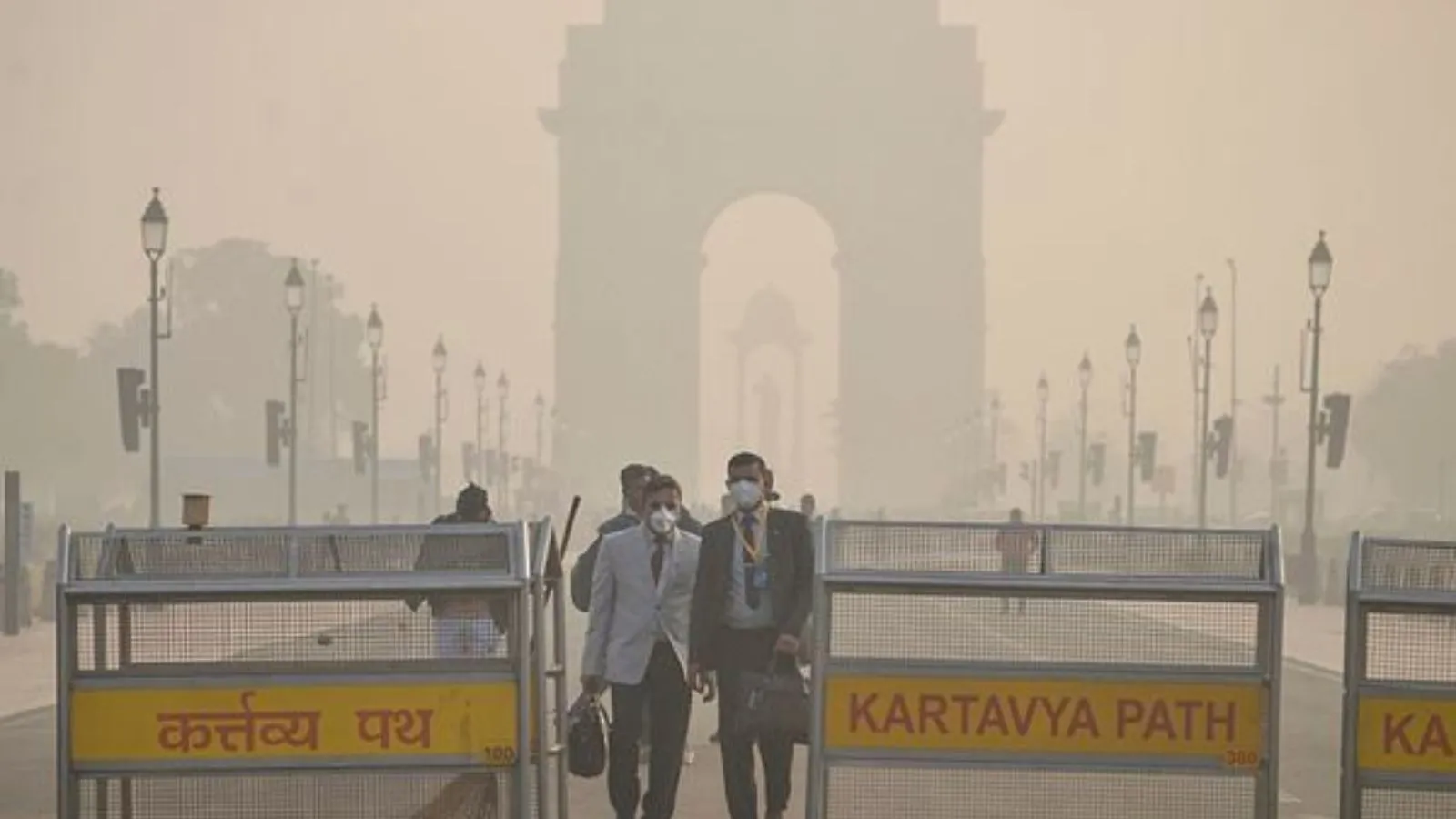
The Fact: With the national capital bracing for its annual air quality crisis, the Delhi government has rolled out its ‘Winter Pollution Master Plan’. The measures include 50% work-from-home, restrictions on demolition and dust-generating construction, doubled parking charges, staggered office timings, and stricter vehicle rules from November 1. The framework will operate every winter till February 28.
The Context: Delhi, over the years, has taken several measures to combat pollution during the winter season. However, now, the biggest change is that these measures are no longer being announced as separate emergency orders every winter. The government has consolidated earlier directions and GRAP measures into a permanent framework. Demolition and open dust-generating construction will be prohibited from November 1 to January 31, with a complete construction and demolition ban, barring urgent works, from December 10 to January 20. The government has also mandated that vehicles without valid PUC certificates will not get fuel throughout the year. Many of these measures are familiar. Construction curbs, road dust control, vehicle restrictions, waste burning enforcement, and work-from-home have all featured in previous winters through GRAP and annual action plans. Delhi also spent roughly 40 days each winter under GRAP Stage III or IV restrictions in recent seasons, according to an Indian Express analysis. CEEW has argued that AQI-based restrictions alone can miss the actual pollution sources. Its research recommends linking action to emission sources, hotspot-level monitoring, and forecasting. CEEW also notes that around 30% of Delhi’s annual PM2.5 load can come from neighbouring states, making regional airshed management essential.
The Peek Insight: The new plan fixes one old problem: waiting for pollution to become dangerous before reacting. But the bigger problem remains. Delhi cannot work-from-home its way out of winter pollution every year. CEEW’s research points towards the harder task: controlling emissions before winter arrives, targeting specific sources, and coordinating action across the NCR airshed. Afforestation, cleaner transport, road dust control, waste management, and industrial enforcement are slower and less visible than announcing a construction ban or asking offices to send employees home. But those are the measures that determine whether Delhi actually becomes cleaner. The real test of this plan is therefore not whether Delhi can survive another winter under restrictions. It is whether next winter needs the same restrictions at all.