Your PEEK Into The Day: 5 Stories That Deserve The Front Page

Peek TV | October 5, 2026
Moral Policing, Mortal Danger: The Queer Target In Punjab’s Vigilante Crosschairs
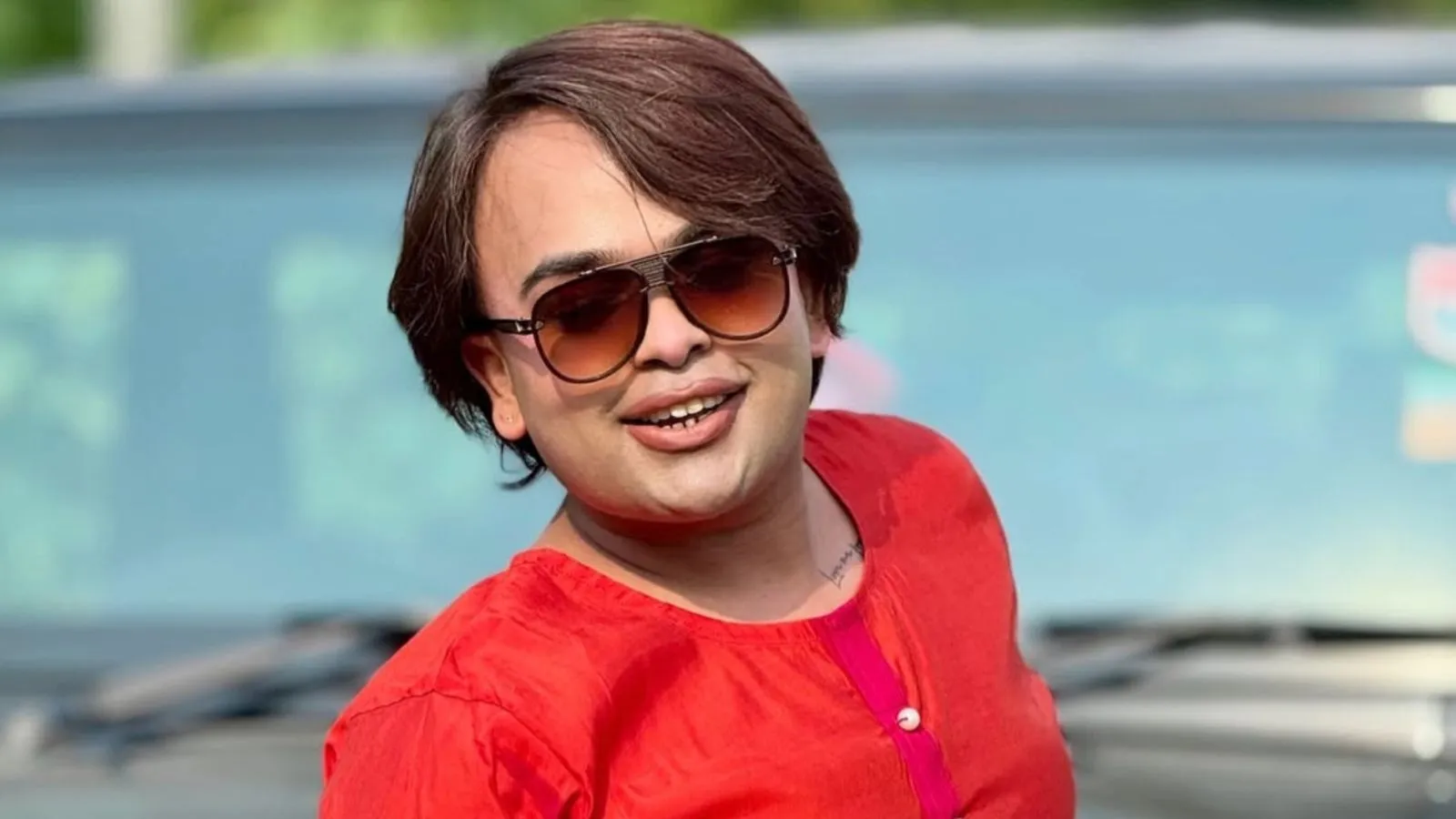
The Fact: Punjab-based LGBTQ makeup influencer Madhusudan Sandhu was shot dead by two unidentified men in Amritsar on Saturday evening. The attackers, who were on a bike, fired at him around 6 pm. Sandhu, popularly known as 'Mad' Sandhu, went to collect his car from a washing centre when the incident occurred. He was rushed to a hospital but succumbed to his injuries. Soon after, a social media post purportedly from gangster Goldy Dhillon took responsibility for the murder. The post stated that Sandhu was "spoiling" the younger generation in Punjab. The claim, however, has not been verified.
The Context: Sandhu had faced homophobic trolls and objections from Nihang Sikh groups over his social media content previously. Sandhu had subsequently changed his content. His killing also comes against the backdrop of increasing cases of moral policing in Punjab. More than a month ago, a group identifying themselves as Nihangs raided a public park in Ludhiana while they were live on Facebook. They were seen confronting women over their clothes and relationships, claiming to "counsel" those who are on the "wrong path". This is notable because, according to recent NCRB data, Ludhiana is the second-deadliest city in India in terms of murders. In 2023, the city reported 56 cases of homicide, of which six were due to enmity or personal vendetta. In 2025, influencer 'Kamal Kaur Bhabhi' was murdered in Bhatinda. Police later arrested two Nihangs for the murder.
The Peek Insight: The murder of Madhusudan Sandhu points to a dangerous convergence of moral policing, weaponized vigilantism, and an unraveling law-and-order apparatus in Punjab. The recurrent involvement of self-appointed Nihang factions in moral policing can no longer be dismissed as isolated fringe behavior. From confronting citizens over personal attire in public parks to deadly retribution against digital creators, intimidation is increasingly substituting civic tolerance, turning private lifestyle choices into life-threatening liabilities. Compounding this crisis is a noticeable reluctance within mainstream liberal and progressive commentary to confront Sikh radicalism and vigilantism with the same moral clarity applied to other forms of identity-based violence. Whether driven by electoral calculations, regional sensitivities, or an unwillingness to criticize non-majoritarian groups, this hesitation creates a glaring blind spot. When commentators and civil society fail to unequivocally call out violent moral enforcement out of political convenience, it normalizes intimidation and leaves vulnerable groups—particularly LGBTQ+ individuals and women—without the broad public defense they urgently need.
Ultimately, however, vigilantism thrives only in the vacuum left by an absent or compromised state. The deteriorating security environment in Punjab—marked by daylight assassinations, gang-linked violence, and brazen vigilantism—is a direct indictment of governance. The Aam Aadmi Party administration led by Chief Minister Bhagwant Mann, along with the party’s central leadership under Arvind Kejriwal, cannot deflect responsibility for a policing framework that consistently fails to deter violent actors.