Your PEEK Into The Day: 5 Stories That Deserve The Front Page


Peek TV | October 6, 2026
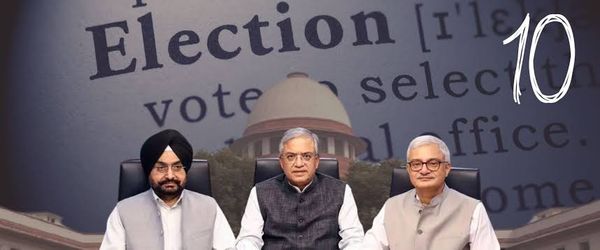
Form 6, Trust 0: Top Court Questions ECI
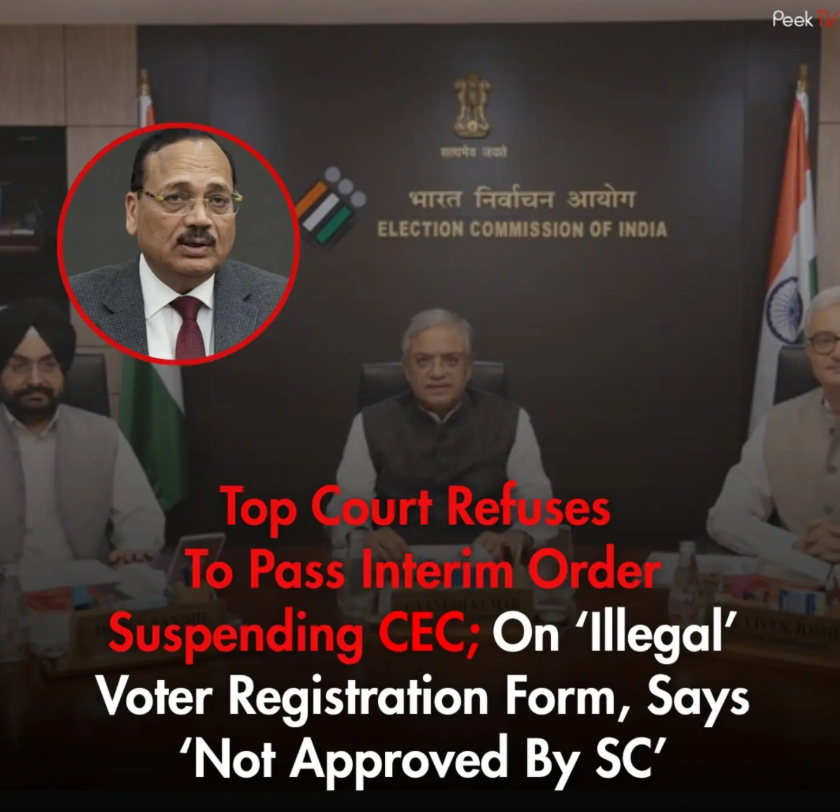
The Fact: The Supreme Court declined to pass an interim order suspending Chief Election Commissioner Gyanesh Kumar. However, the top court has sought the response of the Election Commission, the CEC, and the other two Election Commissioners over allegations of unilateral decision-making. The Court also said it cannot act merely on the basis of a newspaper report and needs to examine the official record before reaching any conclusion. During the hearing, CJI Surya Kant also clarified that the Supreme Court had not approved the modified Form 6 used during the SIR exercise, contradicting the ECI’s September 26 statement. The Court said it wants to examine the modified form and records to determine how and by whom the changes were made.
The Context: The Form 6 controversy began after the ECI added a new declaration for applicants seeking registration as voters during the SIR process. The modified form asked new voters to establish whether their name, or that of a parent or grandparent, appeared in an earlier SIR electoral roll. The change was flagged as “illegal” and “unauthorised” by Election Commissioners Sukhbir Singh Sandhu and Vivek Joshi, who reportedly said the statutory form could not be changed without an amendment to the relevant rules. After The Indian Express reported the objections, the ECI defended its decisions, saying that differences between commissioners were part of the decision-making process and that the Commission’s final decisions had been unanimous. The Commission also said the declaration attached to Form 6 had been upheld by the Supreme Court’s May 2026 judgment on Bihar’s SIR. The Supreme Court’s clarification on Monday directly puts that claim under scrutiny: CJI Surya Kant said the Court had not approved the modified Form 6.
The Peek Insight: Form 6 isn’t just another government form- for a voter, it is the first step into India’s electoral system. It is the form through which a citizen asks the state to recognise them as a voter and add their name to the electoral roll. That makes the latest dispute bigger than a disagreement between election commissioners. When questions arise over who changed the voter registration form, under what authority it was changed, and whether the Supreme Court actually approved that change, the issue reaches the foundation of the electoral process itself. For every young Indian registering to vote for the first time, Form 6 is where their journey into electoral democracy begins. But if the process is not transparent, how can trust in the system be built?