Your PEEK Into The Day: 5 Stories That Deserve The Front Page

Peek TV | October 26, 2026
Chandrachud’s Court: Justice By Permission?
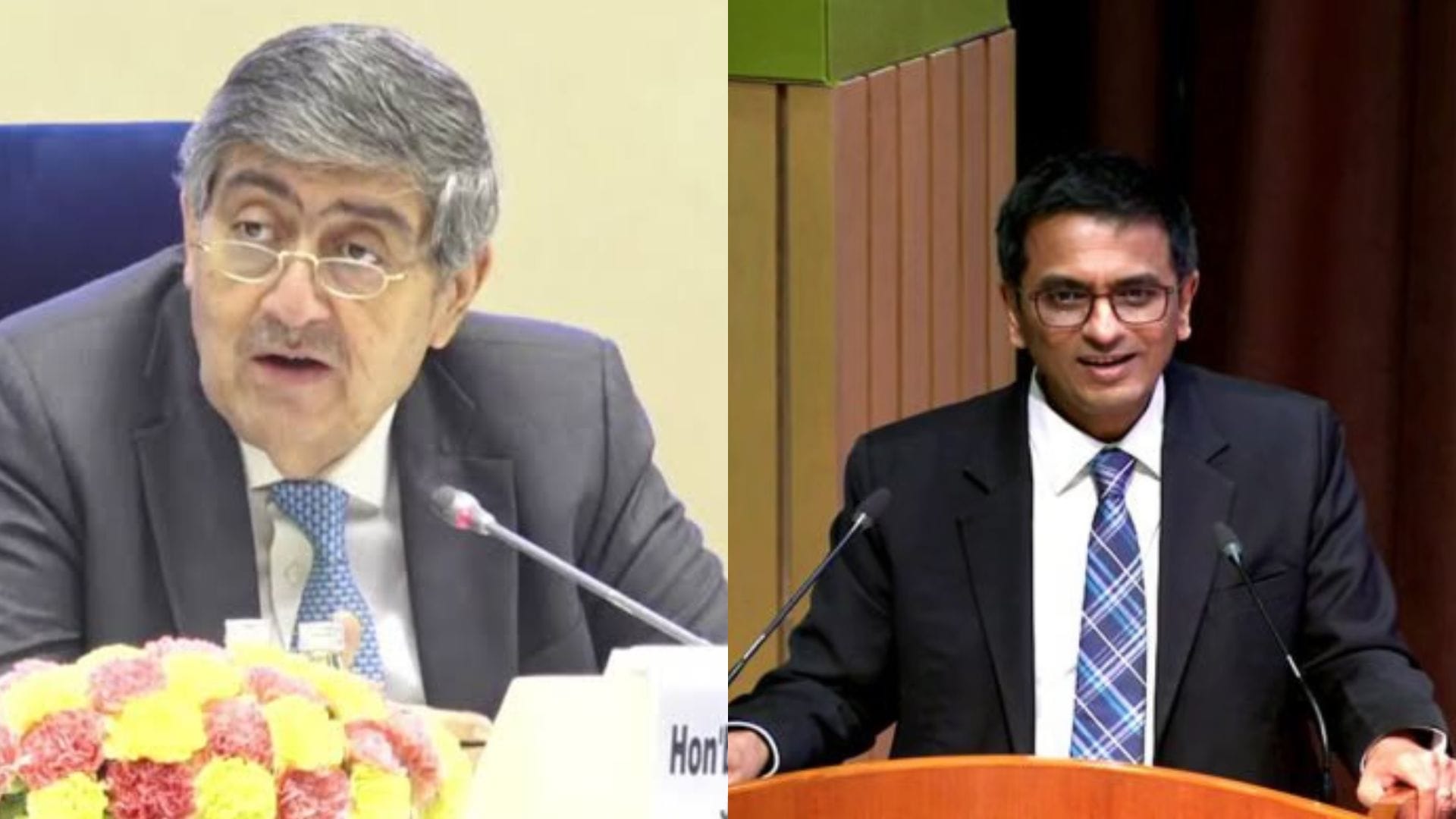
The Fact: Former Supreme Court judge Justice Sanjay Kishan Kaul has reportedly alleged in his forthcoming memoir, Without Fear or Favour, that former Chief Justice of India D.Y. Chandrachud was “too deferential” to the executive. Kaul has also raised concerns over the Collegium’s functioning, alleging that Justice Chandrachud sought the government’s informal “nod” or “pre-approval” on names being considered for judicial appointments before formal deliberations.
The Context: Judicial appointments to the higher judiciary are governed by the Collegium system, which is intended to safeguard judicial independence by limiting direct executive control over the selection of judges. While the government has a role in the appointment process, the practice of seeking informal approval before the Collegium formally considers candidates, if established, raises questions about the extent of executive influence over judicial appointments. The allegations come against the backdrop of broader concerns about the relationship between the judiciary and the executive during Chandrachud’s tenure as CJI, from November 2022 to November 2024.
The Peek Insight: Kaul’s allegations raise a fundamental constitutional question: can informal practices within the judicial appointments process create an executive veto that does not formally exist under the Collegium system? If the government’s approval is informally sought before names are even deliberated upon, it could influence the selection process without a transparent or clearly defined exercise of constitutional authority. The controversy also revives scrutiny of Chandrachud’s tenure, which saw landmark judgments on electoral bonds, Article 370 and other major constitutional questions, alongside criticism over the handling and listing of politically sensitive cases. At its core, the issue is whether institutional independence can be compromised not through an explicit change in the law, but through procedural conventions that gradually reshape the balance of power between the judiciary and the executive.