Your PEEK Into The Day: 5 Stories That Deserve The Front Page

Peek TV | September 11, 2026
BRICS And Mortar: Delhi Gets A Diplomatic Makeover
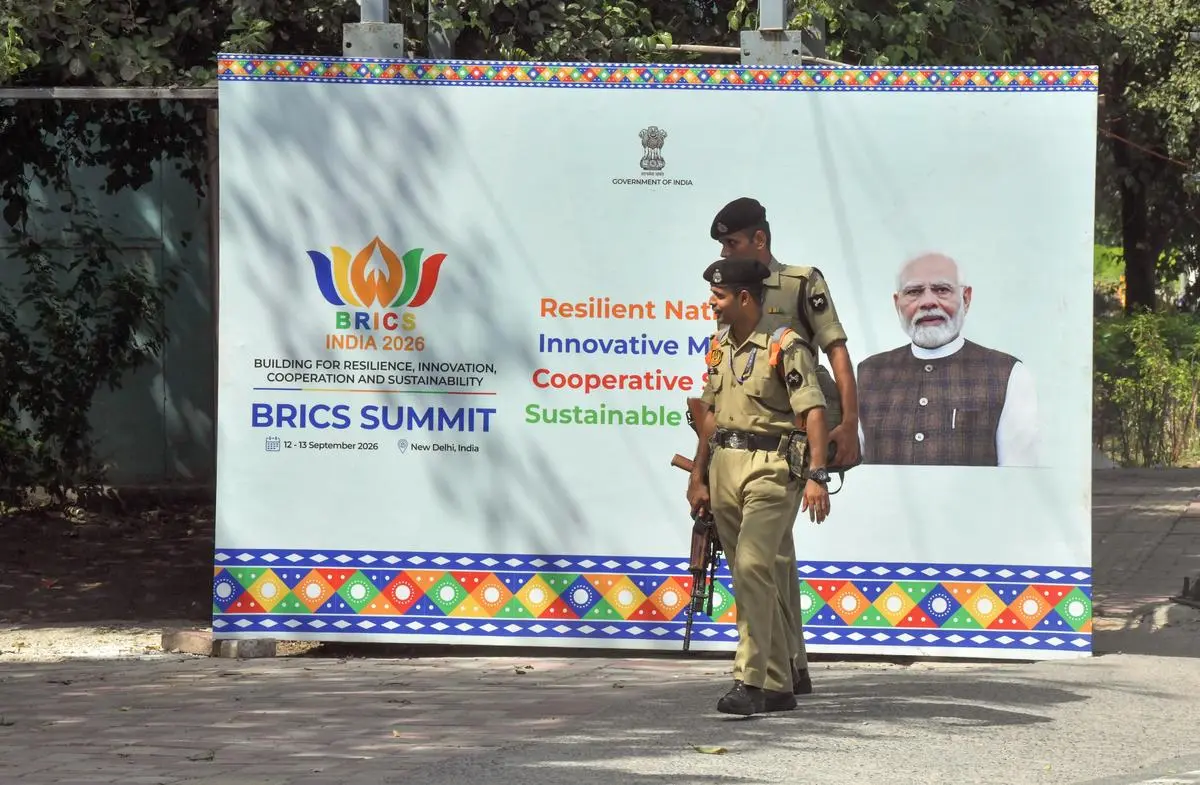
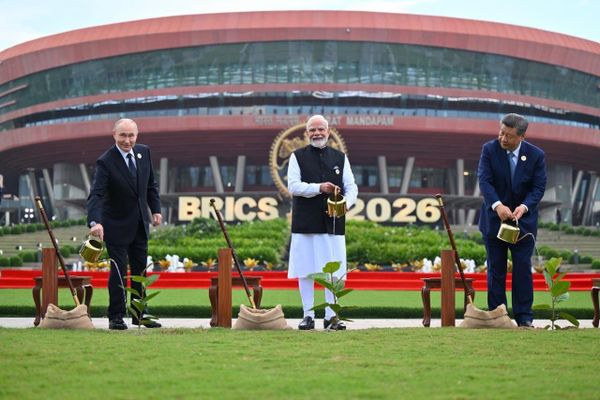
The Fact: Delhi is hosting the 18th BRICS Leaders’ Summit on September 12 and 13 at Bharat Mandapam, with India holding the BRICS chairship this year. The expanded grouping now has 11 full members: Brazil, Russia, India, China, South Africa, Egypt, Ethiopia, Iran, the UAE, Saudi Arabia and Indonesia. Together, they account for roughly 49.5% of the world’s population, 40% of global GDP and 26% of global trade. Chinese President Xi Jinping, Russian President Vladimir Putin and Iranian President Masoud Pezeshkian are among the leaders expected in Delhi. India’s agenda includes global governance and multilateral reform, trade and investment, technology, energy and food security, climate change, health and resilient supply chains. India is also pushing practical cooperation on digital payments and other areas of economic cooperation rather than a single common BRICS currency.
The Context: BRICS will be visible on Delhi’s roads even beyond Bharat Mandapam. From September 11 to 13, more than 35 roads will have controlled traffic arrangements, with 22 diversion points across the city, particularly around Bharat Mandapam, Central Delhi, Lutyens’ Delhi, Chanakyapuri and the airport corridors. Routes including Sardar Patel Marg, Ashoka Road, Mathura Road, Janpath, Barakhamba Road and parts of the Ring Road will see restrictions or diversions depending on VVIP movements. Importantly, these roads will not necessarily remain shut throughout the three days. Traffic may be stopped temporarily when a VVIP convoy passes and released afterwards. App-based cabs like Uber, Rapido and Ola will also face restrictions in designated controlled zones, including limits on pick-ups and drop-offs. Emergency services such as ambulances and fire vehicles will continue to have access. There is a public holiday in Delhi on September 11. Delhi and Central government offices, government schools, government-aided and recognised private schools will remain closed. Courts will also observe closures. Banks, however, are expected to remain open. For commuters, the important thing is that Delhi Metro will continue to operate, while Delhi’s airports and major railway stations will remain functional. However, passengers travelling to IGI Airport, New Delhi Railway Station, Old Delhi Railway Station or Hazrat Nizamuddin Railway Station should leave substantially earlier because VVIP convoys can cause temporary road stoppages. The Airport Express is likely to be the most reliable option for airport-bound passengers. Rail passengers should also check their individual train before leaving, with more than 120 train services in the Delhi Division, including Rajdhani and Vande Bharat services, are being affected between September 11 and 13, with changes including cancellations, diversions or rescheduling. There will also be strict no-parking rules along controlled routes, with vehicles parked without permission liable to be removed. Authorities are advising commuters to use public transport, avoid unnecessary travel through the affected areas and, particularly for airport and railway journeys, build in significantly more time than usual.
The Peek Insight: For India, this BRICS summit is an opportunity to position itself as a country that can sit at the centre of competing geopolitical worlds without completely belonging to any one of them. India has close strategic ties with the US and other Western countries, while simultaneously maintaining deep relationships with Russia and the wider Global South. At the same time, China remains both a major economic partner and India’s principal strategic competitor. Bringing all these countries to the same table in Delhi allows India to present itself as a bridge between different power centres rather than simply a member of one camp. That makes Xi Jinping’s visit particularly important. Xi’s last visit to India was in 2019, and his participation now comes after years of military tensions along the LAC. PM Modi and Xi are expected to hold a structured bilateral meeting, with economic ties, trade, investment and the border situation among the issues on the table. Putin’s presence carries a different significance. India continues to depend on Russia for important defence and energy relationships even as it deepens its partnerships with the West. And with the war in Ukraine, the conflict in West Asia and global trade tensions reshaping international politics, the summit gives India a platform to push its preferred language of strategic autonomy and a more multipolar world order. This is not India’s first major diplomatic event — Delhi hosted the G20 in 2023 — but BRICS is different. This time, India is bringing together a grouping whose collective economic and demographic weight is enormous, while also trying to make the organisation more functional despite its internal contradictions.