Your PEEK Into The Day: 5 Stories That Deserve The Front Page

Peek TV | October 19, 2026
A Generation In Flames, Governments Playing With Fire?
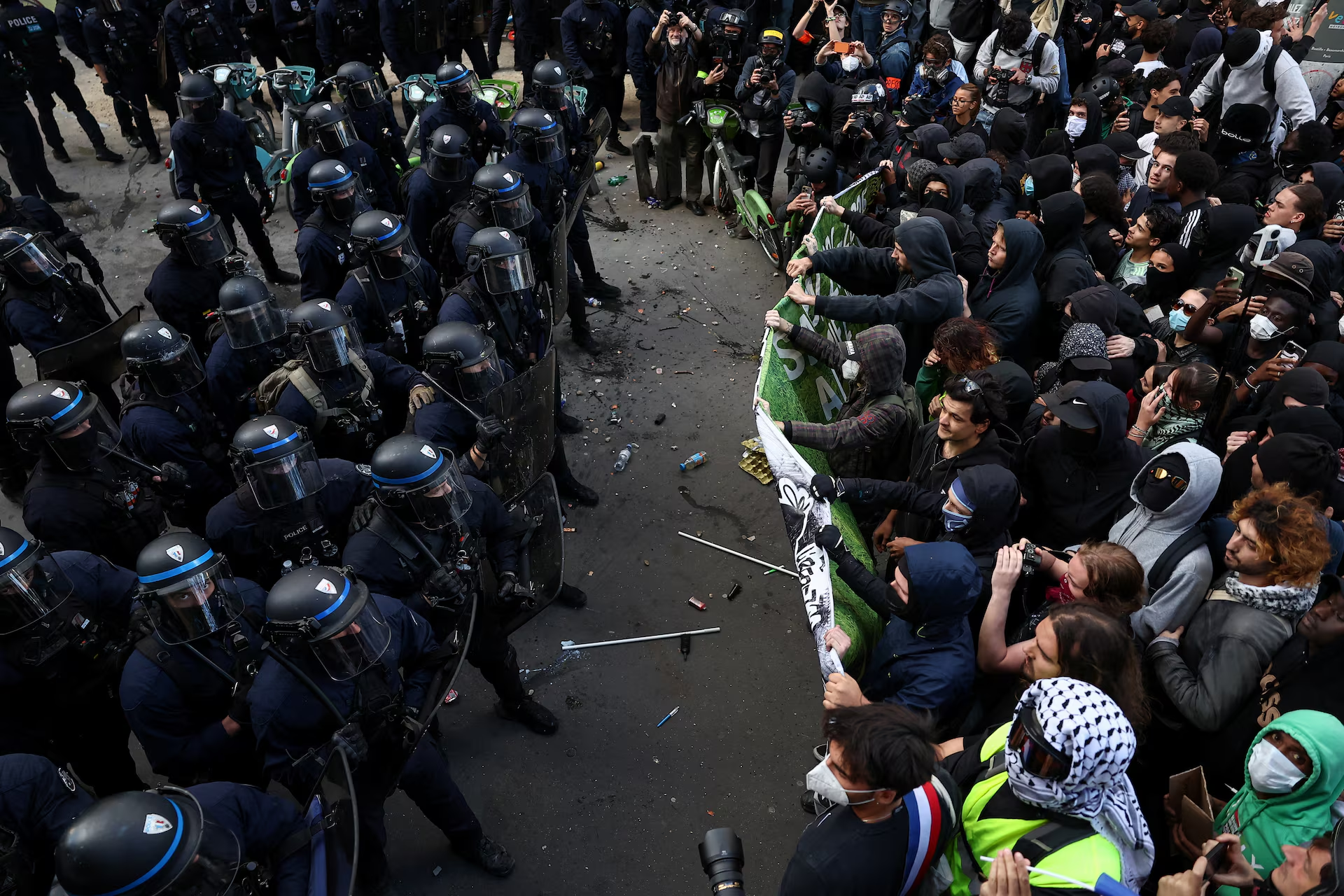
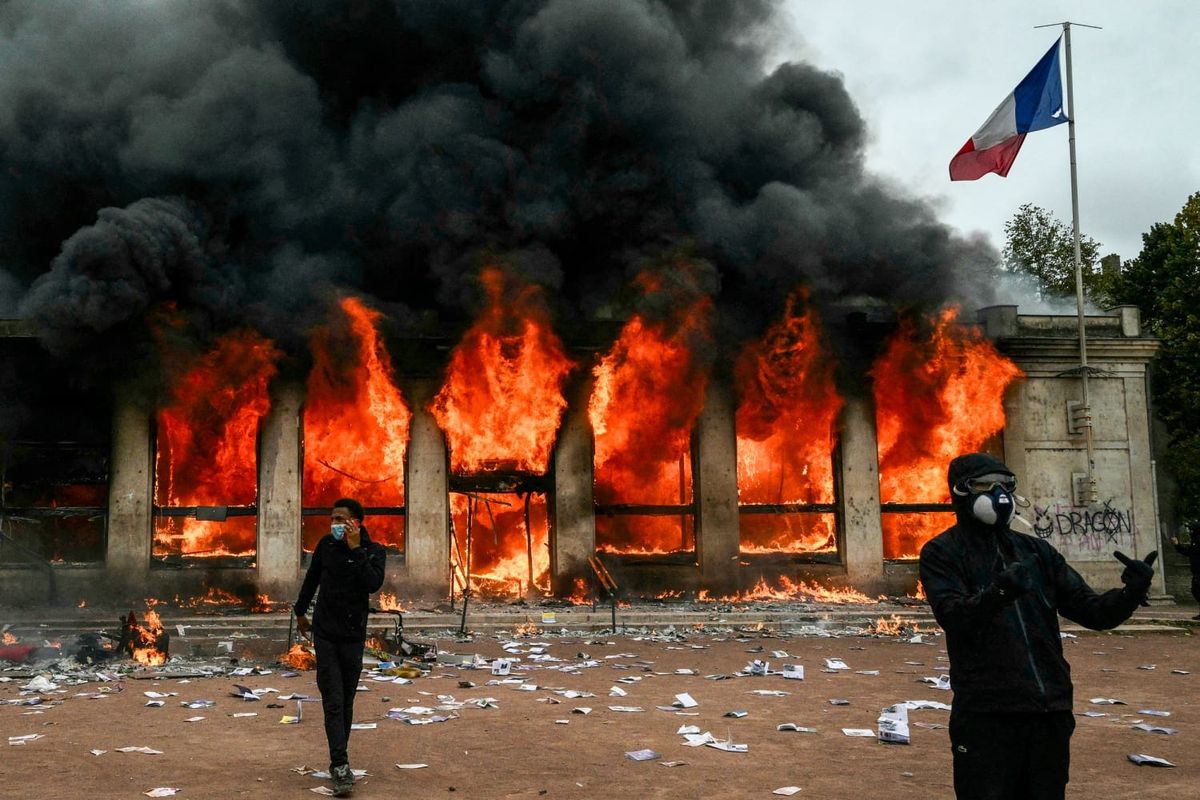
The Fact: A wave of unrest has put pressure on governments worldwide. More than 550,000 people joined protests across France on Saturday, per the Interior Ministry. PM Sébastien Lecornu said 1,200 people were arrested and 150 officers were hurt. Dozens of shops were looted, a fire destroyed Limoges’s 140-year-old town hall, and Lyon’s tourist office was torched. Paris’s mayor said whole streets had been “devastated”. In Milan, rioters clashed with police, looted stores and set fires near Piazza del Duomo. Brussels has seen weeks of student protests over university registration fees, and in Lisbon, tens of thousands marched against low wages, the cost of living and unaffordable housing.
The Context: France’s protests began in mid-September over teacher shortages and poor school conditions. After weeks of student blockades, they widened into anger over fuel prices and living costs. Saturday’s marches turned violent fringe groups targeted public buildings, luxury boutiques, supermarkets and police vehicles. In Milan, a march against wars and living costs began peacefully until masked protesters threw stones and paving blocks and torched barricades made of bar tables. Governments responded firmly. France's PM Macron promised looters would be “prosecuted and punished”, and Italy’s PM Meloni said, "Demonstrating is a right. Setting our cities ablaze is not.” Portugal’s government said it “will not give in to shouts from the street”, even though house prices there have more than doubled since 2017. Brazil’s agitation has stayed peaceful. On October 7, thousands of students marched in Rio against another Bolsonaro presidency, after Flávio Bolsonaro, son of Jair Bolsonaro, who is serving 27 years for a coup attempt, led the first round with 47% to Lula’s 45%. Some protesters fear he will seek amnesty for his father.
The Peek Insight: The triggers differ, but the underlying pattern is strikingly similar. Violence can destroy public property and discredit a legitimate cause, but it cannot explain away the grievances that fuelled the unrest. When schools are left understaffed, rents soar and young people find themselves priced out of opportunity, governments cannot indefinitely treat public anger as a law-and-order problem. The actions of a violent fringe may allow authorities to brand an entire movement as “rioters” or “anti-national”, diverting attention from years of neglect. Those who resort to arson and vandalism must be held accountable, but so must leaders who have failed to address the conditions that breed resentment. The harder question is whether governments will confront the causes of youth discontent or continue to let the spectacle of violence eclipse the substance of their demands.