
Your PEEK Into The Day: 5 Stories That Deserve The Front Page


Peek TV | October 22, 2026
Freedom At Last: India’s Gen Z Leaders Out Of Jail, But Can They Protest?
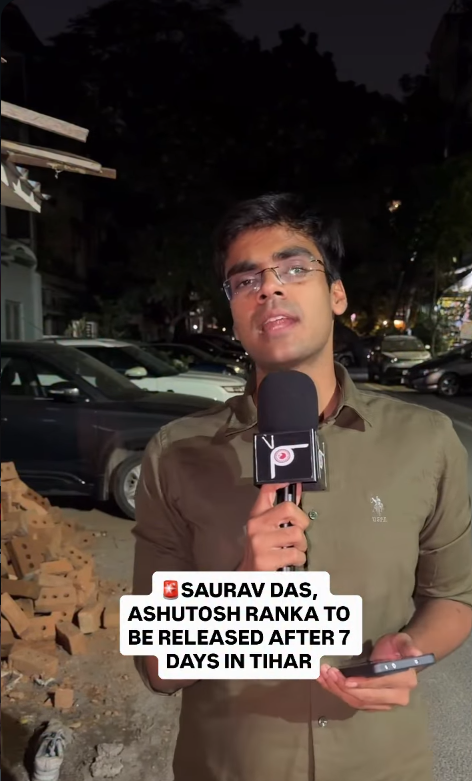
The Fact: Cockroach Janta Party (CJP) leaders Saurav Das, 27, and Ashutosh Ranka, 31, were released from jail on Wednesday after seven days in custody over an alleged breach of peace bonds. After their release, the two raised slogans of “Satyamev Jayate” and expressed defiance. The Special Executive Magistrate ordered their release after they furnished personal and surety bonds of ₹50,000 each and submitted written undertakings. They promised not to call for protests at Jantar Mantar as long as the site remains denotified as a designated protest venue. They also undertook to maintain peace, respect the judiciary, keep any protests within constitutional limits and appear at every hearing.
The Context: Das and Ranka were detained on October 10 and released after furnishing peace bonds. On October 13, they allegedly attempted to enter the barricaded Jantar Mantar protest site, prompting their detention and subsequent custody from October 14. Their custody was extended on October 19 after the magistrate rejected their sureties, citing concerns about their reliability and discrepancies in identification documents. The leaders challenged their continued custody before the Delhi High Court on October 21 but withdrew their plea after the magistrate reconsidered their sureties and ordered their release.
The Peek Insight: Their release ends seven days of incarceration but leaves serious questions about the use of preventive powers. The proceedings before the Special Executive Magistrate concerned an alleged breach of peace bonds, not a criminal conviction. Special Executive Magistrates exercise preventive powers, not the trial jurisdiction of regular criminal courts. Former Delhi High Court judge S. Muralidhar and other legal experts have questioned the legality of the detention and extension of judicial custody by a police officer’s court. The controversy highlights concerns about police-linked executive authorities exercising powers that directly affect personal liberty. The question is whether preventive proceedings can result in imprisonment without adequate judicial scrutiny. When the price of dissent is seven days in jail, where does preventive action end and punishment begin?