
Your PEEK Into The Day: 5 Stories That Deserve The Front Page


Peek TV | September 23, 2026
A ‘Capital’ Punishment For Women: Delhi, Hang Your Head In Shame
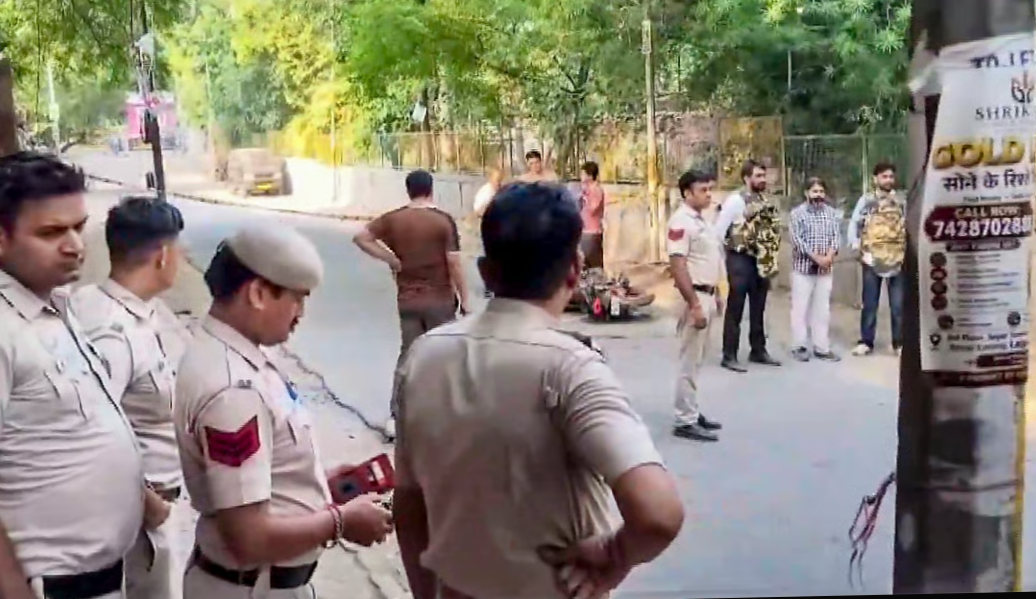
The Fact: A visit to Astha Kunj Park near Kalkaji Mandir turned into a horrific nightmare for a 17-year-old girl. The minor was allegedly gang-raped by three men who posed as policemen and threatened her and her male friend. One accused was arrested after an encounter and was injured in a brief exchange of fire. The other two accused were subsequently nabbed.
The Context: According to reports, the three accused approached the teenagers while claiming to be police personnel. They allegedly threatened the girl and her friend with a firearm and separated them. The accused then allegedly took her to a secluded spot inside the park and sexually assaulted her. This case is not an isolated incident. Delhi recorded 1,058 rape cases in 2024, according to NCRB data, alongside 13,396 cases registered under crimes against women overall. Recent cases have also involved minors, secluded public spaces, and alleged use of intimidation to control victims. In the Kalkaji incident, the accused allegedly exploited the authority associated with police uniforms. The Peek Insight: Four minors sexually assaulted in a span of two weeks: this is the reality of women’s security in the national capital. The uncomfortable question is not whether Delhi Police can catch an accused after a crime. It is whether the city is doing enough to make such crimes harder to commit in the first place. The Kalkaji case reveals another disturbing reality: offenders know they can exploit the fear of authority. The sense of impunity with which criminals operate is increasingly disturbing. Delhi may have CCTV cameras, helplines and emergency systems, but do these translate into safety on the ground?
The Peek Insight: Four minors sexually assaulted in a span of two weeks: this is the reality of women’s security in the national capital. The uncomfortable question is not whether Delhi Police can catch an accused after a crime. It is whether the city is doing enough to make such crimes harder to commit in the first place. The Kalkaji case reveals another disturbing reality: offenders know they can exploit the fear of authority. The sense of impunity with which criminals operate is increasingly disturbing. Delhi may have CCTV cameras, helplines and emergency systems, but do these translate into safety on the ground?
Dark or isolated spaces, weak community vigilance, delayed reporting, social stigma,and the confidence of offenders that they can intimidate victims- all these matter. Calling Delhi the “rape capital” captures public anger, but the more useful question is what actually changes on the ground after every case. Each arrest can provide accountability for one crime; it cannot by itself constitute a prevention strategy for the next one.